Hajj and Umrah

A Heartfelt Step-By-Step Guide, How to Performing Hajj according to the Prophetic manners

Every year, subhanAllah, around 25,000 Muslims from the UK join millions worldwide in the sacred cities of Makkah and Madinah to perform Hajj, a blessed journey of unity and devotion. If you’re among these pilgrims traveling to Saudi Arabia to fulfill this fifth pillar of Islam, this guide is for you! We’ve carefully outlined the 19 steps of Hajj to support you on this life-changing spiritual path.

When Does Hajj Take Place?  
Hajj occurs annually from the 8th to the 12th of Dhul Hijjah, the final month of the Islamic lunar calendar. Unlike the Gregorian calendar, the lunar dates shift forward by about 11–12 days each year. Pilgrims from the UK typically fly to Jeddah or Madinah, then travel with their Hajj group to Makkah, arriving in the weeks leading up to these sacred days.

Types of Hajj  

Hajj can be performed in three forms: Tamattu, Ifraad, and Qiran. This guide follows the Tamattu method, combining Umrah and Hajj with a break in between.

The 19 Steps of Hajj: A Journey of the Heart  

Here’s a detailed walkthrough of Hajj, step by step, to help you prepare and immerse yourself fully in this sacred act of worship.

Step 1: Prepare Your Heart and Intention

Before reaching Makkah, center your heart with a pure intention (niyyah) for Hajj. This journey is for Allah alone, seeking His pleasure and rewards in the Hereafter, not for worldly gain or recognition. A sincere intention sets the tone for your pilgrimage.

Step 2: Enter the Sacred State of Ihram

Upon nearing Makkah, enter the state of Ihram, a spiritual and physical state of purity. Men wear two white, unstitched cloths—one around the waist, another over the shoulder, symbolizing equality before Allah. Women dress modestly, adhering to Hijab rules, without face coverings.

Both men and women wear sandals, as fully covering shoes aren’t allowed. While in Ihram, avoid perfume, smoking, swearing, cutting nails or hair, and intimate relations. Focus on purity and mindfulness in your actions and words.

Tip: Pack extra Ihram clothes and invest in comfortable trekking sandals. Break them in before your trip to avoid blisters during long walks on varied terrain.

Step 3: Perform Tawaf, 7 Circuits Around the Ka’bah

Upon arriving at Masjid al-Haram in Makkah, begin your Umrah with Tawaf. Walk around the Ka’bah seven times in an anti-clockwise direction, starting and ending at the Black Stone. Each circuit is a Tawaf, a beautiful act of devotion. You may also offer two Rakats of voluntary prayer to thank Allah for your safe arrival and the start of this sacred journey.

Step 4: Walk Between Safa and Marwa, Sa’i

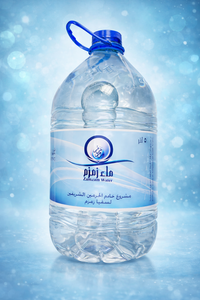
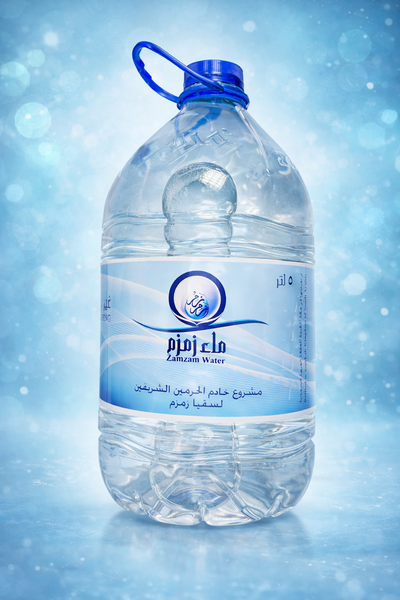
After Tawaf, perform Sa’i by walking seven times between the hills of Safa and Marwa. Start at Safa, walk to Marwa, running between the green markers, then return to Safa for the next lap. This commemorates Hajar’s (AS) search for water for her son, Prophet Isma’il (AS), symbolizing perseverance in faith. Take your time, stay hydrated with Zamzam water, and reflect on the struggles we face in life.

Step 5: Trim or Shave Hair, Umrah Complete

After Sa’i, men trim or shave their hair (shaving is preferred), while women clip a fingertip’s length of hair. This marks the end of your Umrah, allowing you to exit Ihram until the 8th of Dhul Hijjah. Rest, pray, and prepare for the main Hajj rituals.

Step 6: Rest and Reflect in Makkah

Spend the days before Hajj in Makkah, resting and engaging in worship. Read the Quran, make Du’a, and soak in the spiritual atmosphere alongside millions of fellow Muslims. This time prepares your soul for the days of Hajj, starting on the 8th of Dhul Hijjah.

Step 7: Re-enter Ihram, Day 1 (8th Dhul Hijjah)

On the 8th, purify yourself and re-enter Ihram to begin Hajj. Recite the Talbiyah loudly: 
“Labbayka Allahumma Labbayk, Labbayk La Shareeka Laka Labbayk, Innal Hamda Wan Ni’mata Laka Wal Mulk, La Shareeka Lak”
(Here I am, O Allah, here I am. You have no partner. All praise, blessings, and sovereignty are Yours.  
Follow the same Ihram rules, avoiding scented products and prohibited acts. Travel with your group to Mina, about 8 km from Makkah’s center.

Step 8: Stay in Mina, Day 1

Settle into your tent in Mina, a tent city near Makkah. Perform your Salah (Dhuhr, Asr, Maghrib, Isha, Fajr), shortening four-unit prayers to two units, as per Quranic guidance, without combining them. Spend the night in worship, reflecting on your journey, and preparing for the Day of Arafah.

Tip: Space in tents can be tight, and it’s often hot. Stay hydrated with cold water stations nearby, and be patient with fellow pilgrims.

Step 9: Day of Arafah, Day 2 (9th Dhul Hijjah)

After Fajr in Mina, head to the plains of Arafah, reciting Istaghfar and Du’a. This is the most significant day of Hajj, where Allah forgives sins and frees souls from the Fire. Perform shortened Dhuhr and Asr prayers (two Rakats each), combined if prayed behind the Imam at Masjid al-Nimra, per Abu Hanifa’s view. Listen to the sermon (Khutbah) from Mount Arafah, reflecting on Allah’s mercy. Stand in Arafah, making heartfelt Du’a for yourself, your loved ones, and the Ummah.

Tip: Avoid climbing Mount Arafah (Jabal al-Rahmah); there’s no religious benefit. Focus on prayer and supplication on the plains.

Step 10: Night in Muzdalifah, Day 2

After sunset, travel to Muzdalifah, an open plain between Mina and Arafah. Perform Maghrib and Isha prayers together, shortening Isha to two Rakats. Rest under the night sky, as the Prophet (peace be upon him) did, until just before Fajr. Collect 49 pebbles (size of date seeds) for Rami, plus an extra 21 as a precaution, totaling 70.

Tip: Stay close to your group, as it’s easy to get lost. Use facilities in Arafah before leaving, as Muzdalifah’s amenities are crowded.

Step 11: Rami and Hady, Day 3 (10th Dhul Hijjah, Eid al-Adha)

After Fajr, return to Mina. On this Day of Sacrifice (Yawm al-Nahr), perform the first Rami by throwing seven pebbles at Jamarat al-Aqaba, the largest pillar, saying “Allahu Akbar” with each throw. This act recalls Prophet Ibrahim’s (AS) rejection of Iblis’ temptation. Then, offer your Hady (sacrificial animal), mirroring the Qurbani performed by Muslims worldwide during Eid al-Adha.

Step 12: Celebrate Eid al-Adha

The 10th marks the start of Eid al-Adha, a time to honor Prophet Ibrahim’s (AS) willingness to sacrifice his son, Isma’il (AS), for Allah. Muslims globally celebrate with Qurbani, sharing meat with family and the needy, reflecting on sacrifice and obedience.

Step 13: Shave or Trim Hair, Day 4 (11th Dhul Hijjah)

After Hady, men shave or trim their hair (shaving is Sunnah), while women trim a fingertip’s length. You can now exit Ihram, wear regular clothes, and resume Halal activities, except marital relations. Apply unscented perfume, as the Prophet (peace be upon him) did, smelling of musk.

Tip: Use disposable blades for shaving within your group, or visit barbers in Mina, ensuring they use new blades to avoid infections.

Step 14 & 15: Tawaf al-Ifadha and Sa’i – Day 5 (12th Dhul Hijjah)

Return to Makkah to perform Tawaf al-Ifadha, another seven circuits around the Ka’bah, followed by Sa’i between Safa and Marwa. These are obligatory rites of Hajj. After completing them, all Ihram restrictions lift, including marital relations. Return to Mina to continue the remaining rituals.

Tip: The Tawaf area may be crowded. Opt for upper levels or perform it at midnight when it’s quieter.

Step 16: Second Day of Rami, Day 4

On the 11th, perform Rami again, throwing seven pebbles at each of the three pillars: Jamarat al-Ula (small), al-Wusta (middle), and al-Aqaba (large). Say “Allahu Akbar” with each throw, and make Du’a facing the Qibla after the first two pillars.

Step 17: Night in Mina, Day 4

Spend the night in Mina, focusing on worship and reflection, making the most of your time in this blessed place.

Step 18: Third Day of Rami, Day 5

On the 12th, repeat Rami with your final 21 pebbles, following the same process as the previous day, stoning all three pillars.

Step 19: Farewell Tawaf al-Wida, Final Step

Before leaving Makkah, perform Tawaf al-Wida, the farewell Tawaf, which is obligatory (Wajib) for most scholars. Complete seven circuits around the Ka’bah, pray two Rakats, and drink Zam Zam water. There’s no Sa’i or hair trimming after this Tawaf. This marks the completion of your Hajj. Hajj Mabrook!

For Those Not Performing Hajj  

If you’re unable to perform Hajj this year, the first ten days of Dhul Hijjah are a golden opportunity to earn Allah’s mercy. Increase your good deeds—give Sadaqah, honor your parents, maintain family ties, and focus on Salah and Zakat. Recite Takbir (Allahu Akbar), Tahleel (La Ilaha Illallah), and Tahmeed (Alhamdulillah) often, as the Prophet (peace be upon him) advised. Offering Qurbani is a Sunnah muakkadah (highly recommended) for non-pilgrims, reflecting Prophet Ibrahim’s (AS) devotion.

Learn More with Darussalam  

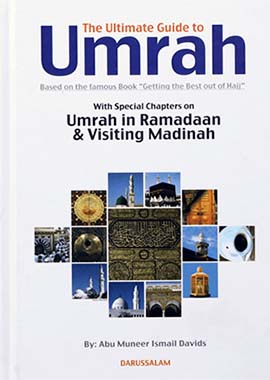
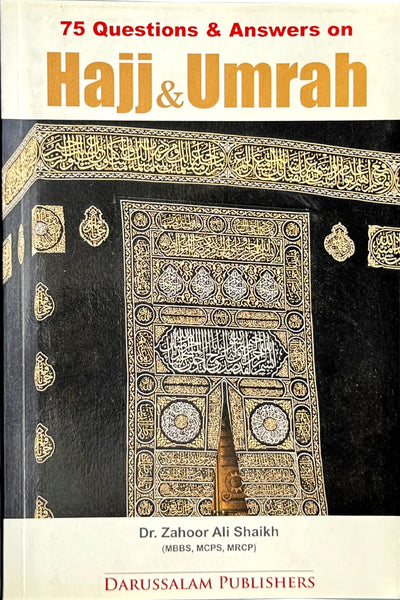
To deepen your understanding of Hajj and its profound rituals, explore Darussalam’s curated collection of Islamic resources. From guides on Ihram rules to detailed insights into the Day of Arafah and Rami stoning, our books offer authentic knowledge to enrich your spiritual journey.

11 products